
Plywood Guide
Plywood Manufacturing Process: What Importers Should Check in 2026
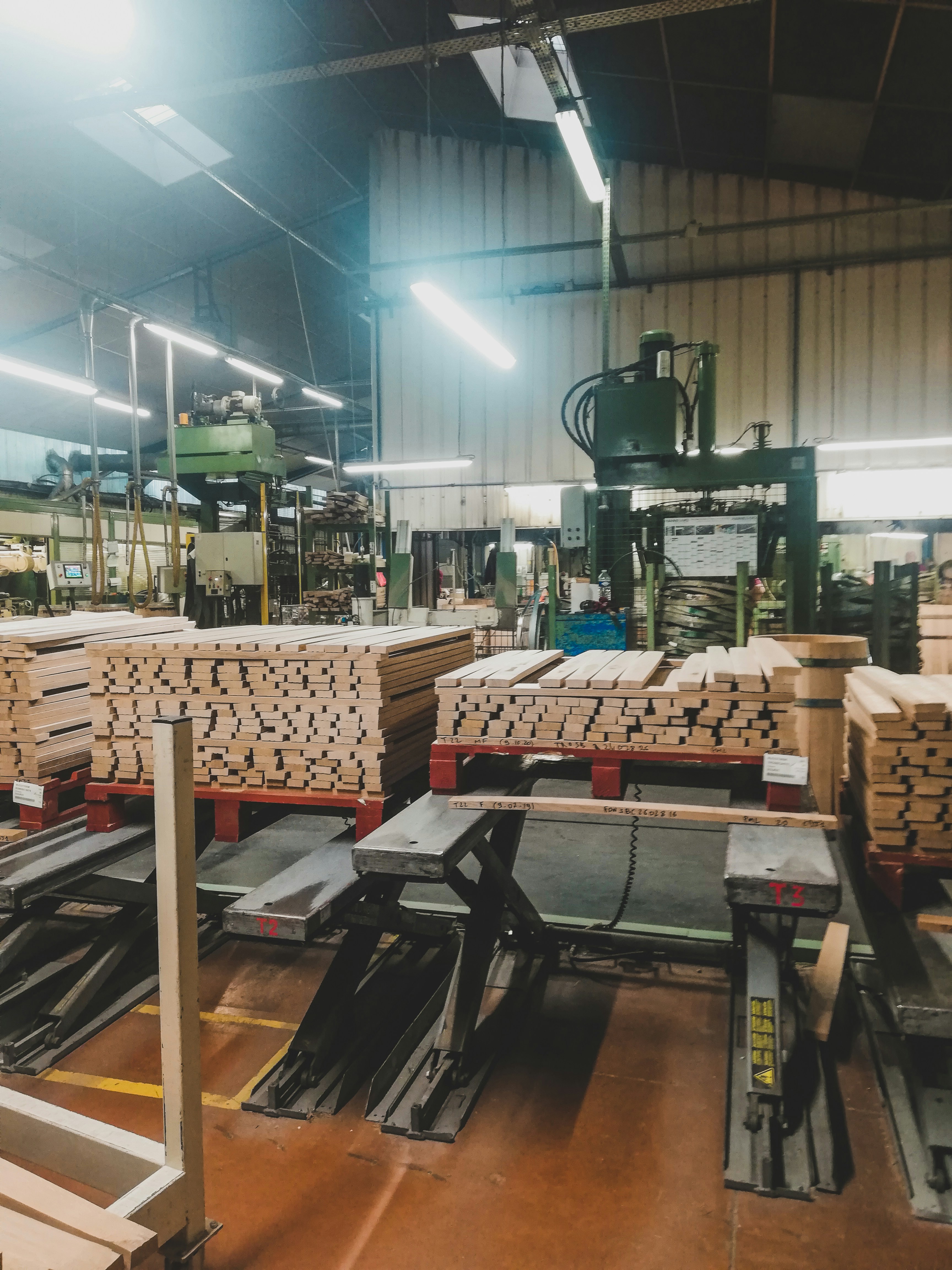
1. Why process visibility matters
For overseas importers, plywood quality is not judged only from a finished panel photo. The real difference starts from veneer selection, moisture control, glue application, pressing temperature and the final sanding process. A supplier that can explain each step clearly is usually easier to manage during repeat FCL orders.
2. Veneer selection and moisture control
Common plywood production in Vietnam uses wood sources such as acacia, eucalyptus, pine, poplar and mixed hardwood depending on the target product. Before layup, veneers should be sorted by grade and moisture level. This helps reduce delamination risk, uneven panel thickness and surface defects after pressing.
3. Pressing, trimming and sanding
After glue spreading and layup, panels are cold pressed and hot pressed to bond the core. Importers should ask about glue options, press control and sanding quality, especially when buying furniture plywood or film-faced plywood where surface consistency is important.
4. Final QC before loading
For FCL orders, final inspection should confirm thickness tolerance, face quality, packing condition, quantity and label details. Clear QC photos and loading records help both buyer and supplier avoid disputes after arrival.
Need plywood specifications for your market?
Send NewSmile your product type, destination port and estimated volume. We will review the specification before quoting.
Ask on WhatsApp